
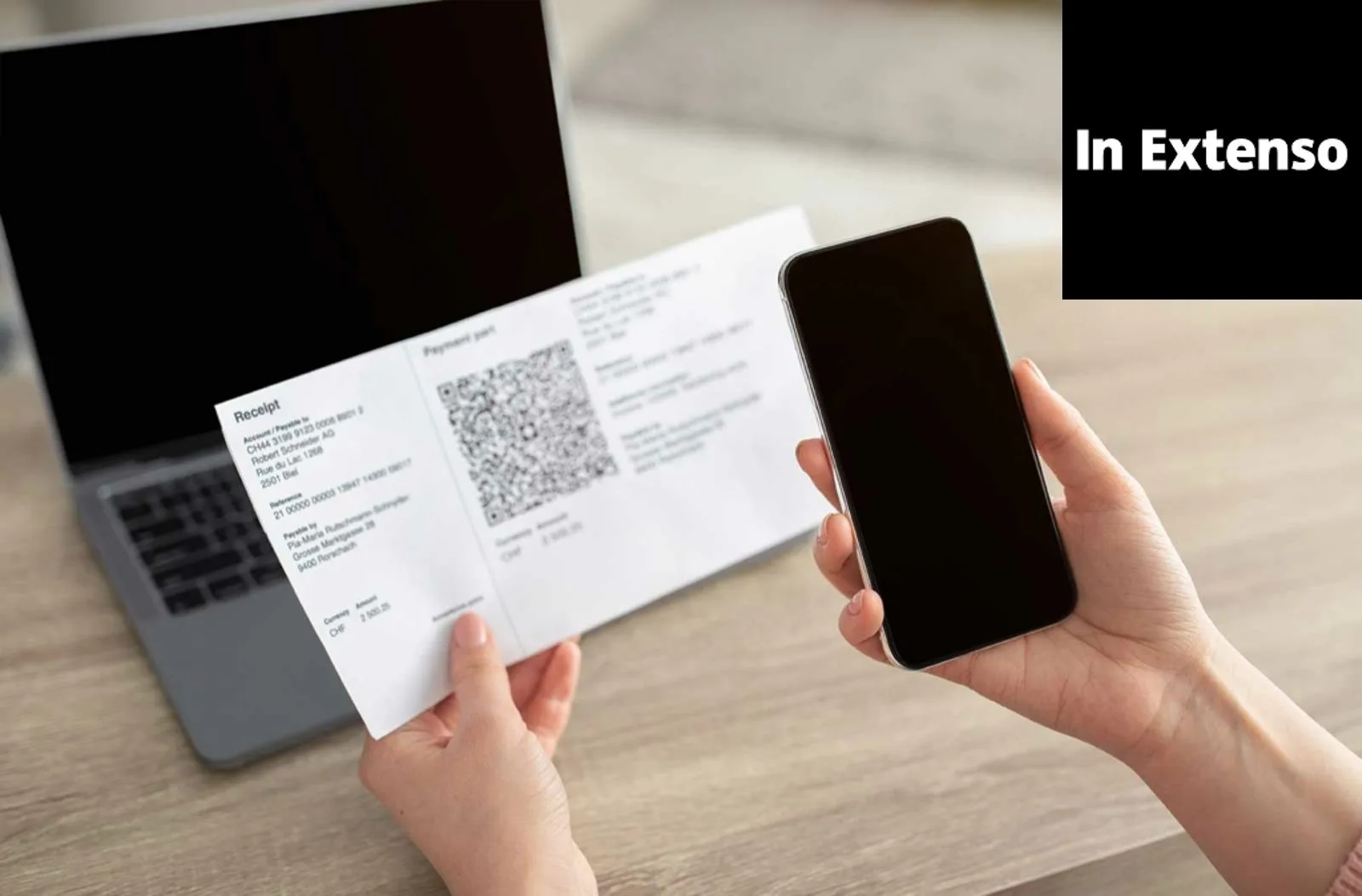
In Extenso, ETL GLOBAL Member in France, has recently performed a benchmark study regarding the existing rules on electronic invoicing across some of the economically most important jurisdictions in Europe.
On European level, electronic invoicing was introduced by Directive 2001/115/EC as adapted by Directive 2006/112/EC (the VAT Directive). These directives (inter alia) deal with the conditions to be met for issuing electronic invoices, but do not cover their communication to the tax authorities. As a result, electronic invoices exist in all of the European countries examined and are often mandatory for public service contracts. However, reporting obligations to the tax authorities are much more heterogeneous.
The study is focused on the following countries: Italy, Spain, Portugal, Belgium, Netherlands, Poland, United Kingdom and France, while touching other countries only roughly (e.g. Germany).
Whereas some countries (Germany, Benelux and the United Kingdom) are very minimalist in their rules on obligatory electronic invoicing and periodic transmissions to the tax authorities, some other countries, such as Italy, have very rigid rules in place also with regard to electronic reporting obligations.
Read the full findings of the study in Le Magaz’in, the blog of In Extenso, and feel free to also visit In Extenso on LinkedIn.